Common Currents and the Immigrant Experience: Collaboration, Community, and Memorialization in Cedar Riverside
AUTHOR: Aaron Marx artist and architect
Cedar Riverside, located in Minneapolis, has a rich history shaped by waves of immigration that have contributed to its diverse and vibrant community. In the late 19th and early 20th centuries, the neighborhood saw an influx of Scandinavian immigrants, particularly from Sweden and Norway, drawn to the area by economic opportunities and the prospect of a better life. However, in the mid-20th century, the demographics shifted as a significant number of East African immigrants, primarily from Somalia, began to settle in Cedar Riverside. Over the years, the neighborhood has continued to evolve, welcoming new immigrants from various backgrounds, contributing to the dynamic tapestry of Cedar Riverside's multicultural identity
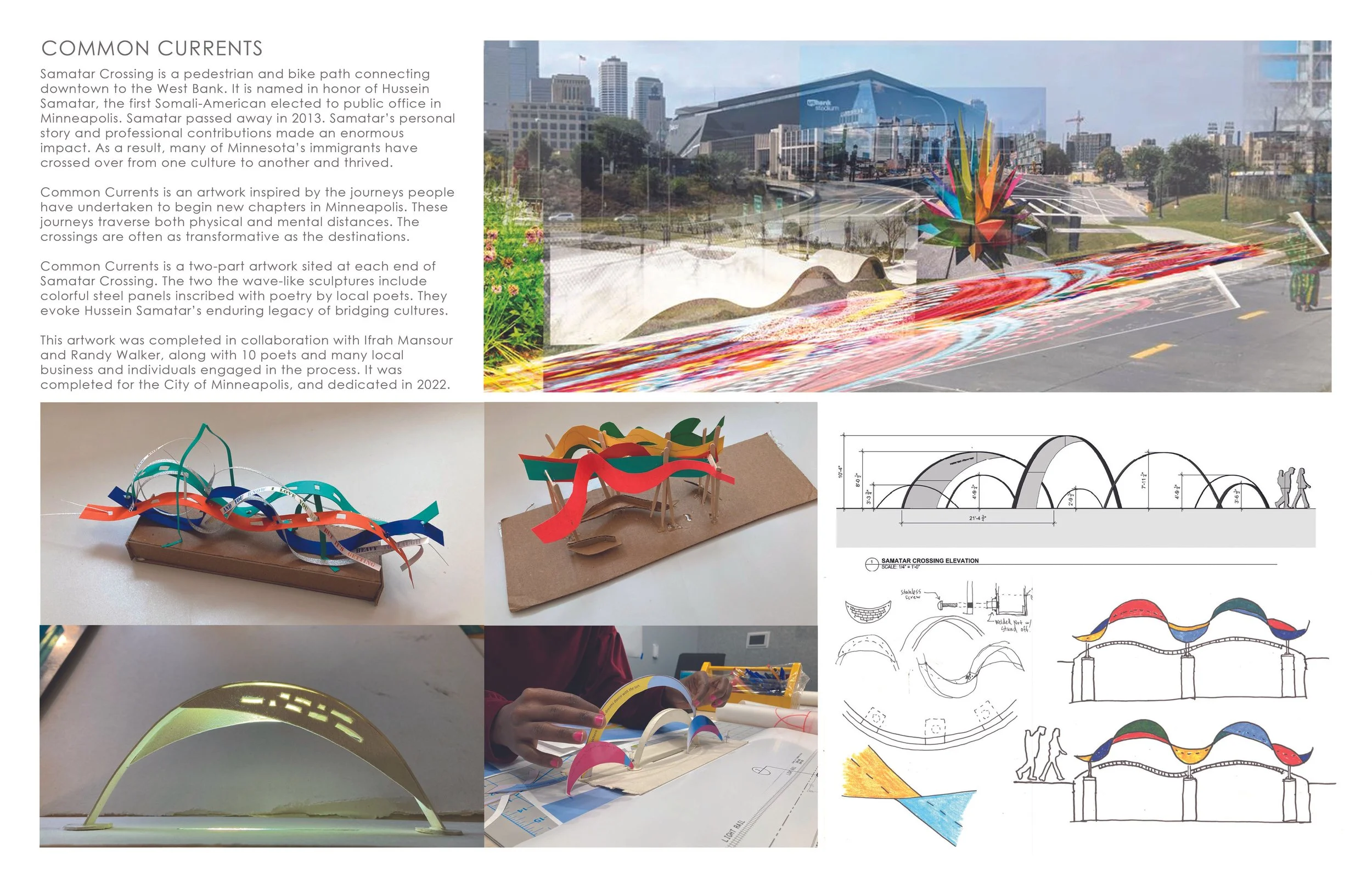
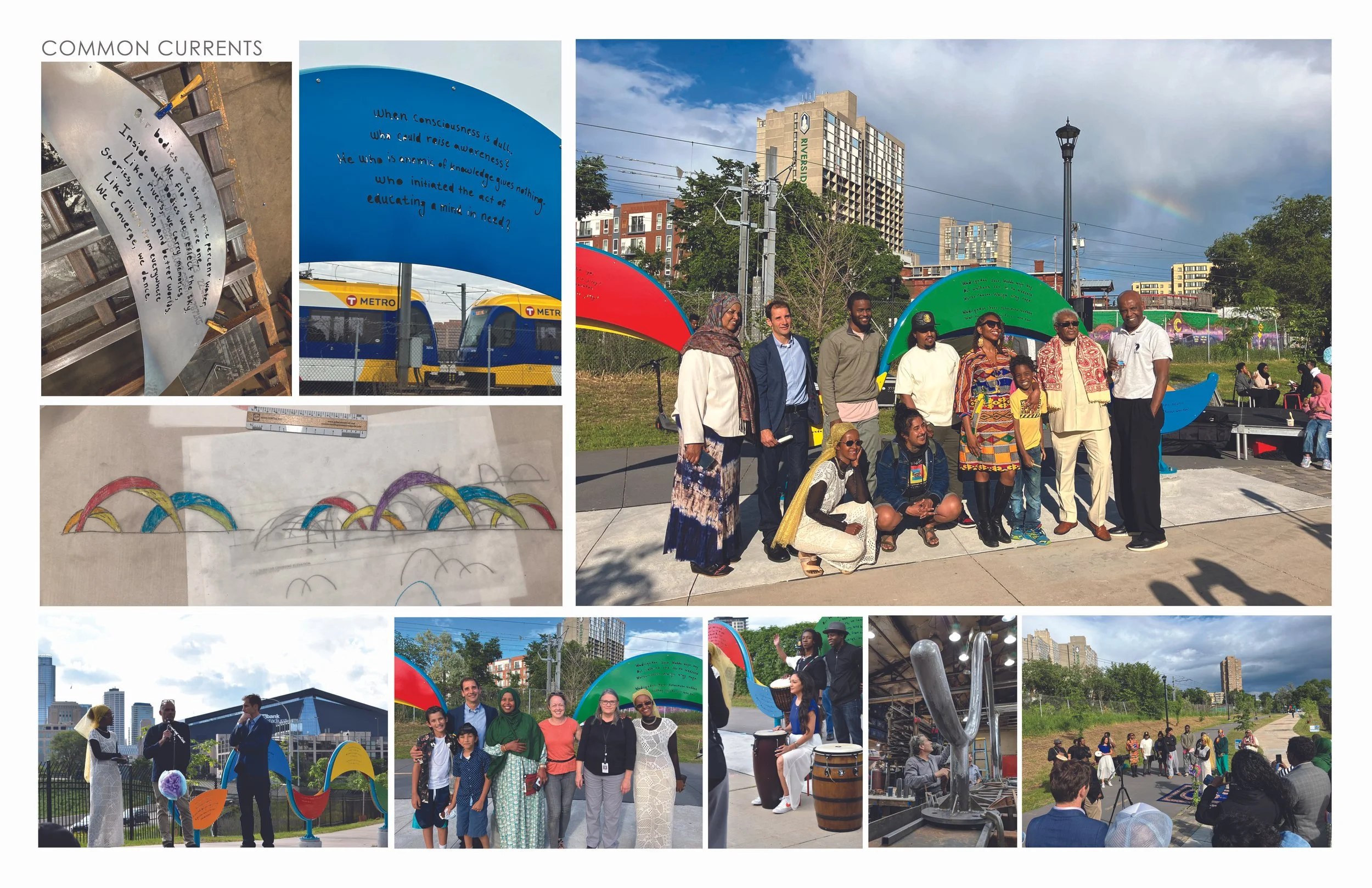
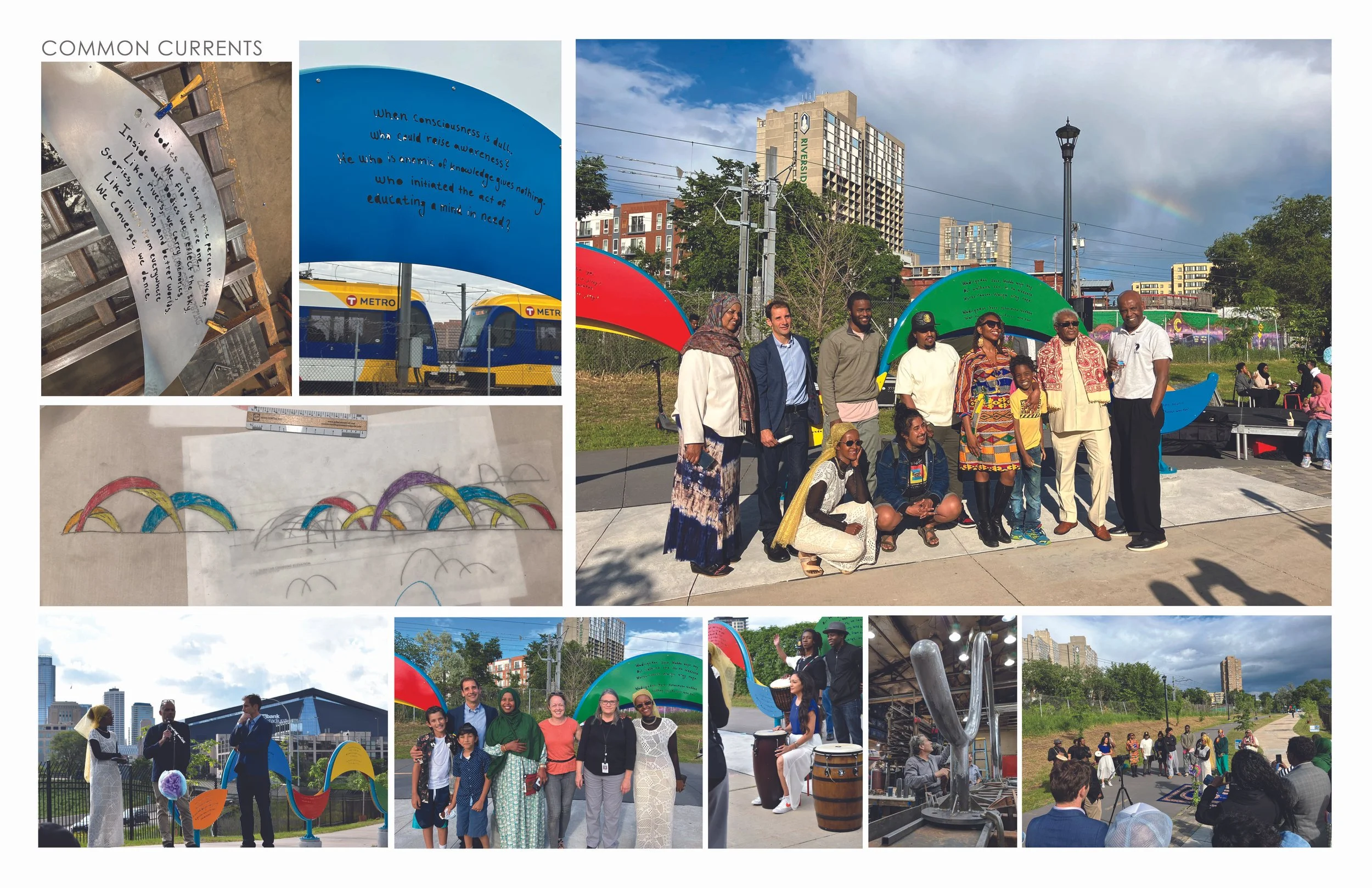
Hussein Samatar was a notable Somali-American community leader, entrepreneur, and politician who made Cedar Riverside his home. Born in Somalia, he immigrated to the United States in the early 1990s and became a prominent figure in the Minneapolis Somali community. Samatar was known for his dedication to education and economic empowerment. In 2011, he made history by becoming the first Somali-American elected to public office in Minnesota. Beyond his political contributions, Samatar co-founded the African Development Center, a nonprofit organization aimed at fostering economic independence and entrepreneurship within immigrant communities. Unfortunately, Hussein Samatar passed away in 2013, leaving behind a legacy of advocacy for education and economic empowerment in the Somali-American community. In 2019, the city commissioned a project to design, develop, and build a public art work that considers the complex history of this site and honors Hussein Samatar at a new pedestrian bridge connecting Cedar Riverside to downtown Minneapolis called Samatar Crossing. Through a painstaking process of collaboration, and navigating the complex landscape of the COVID-19 pandemic and the George Floyd protests, we engaged many different communities and stakeholders, looking for inspiration and input.
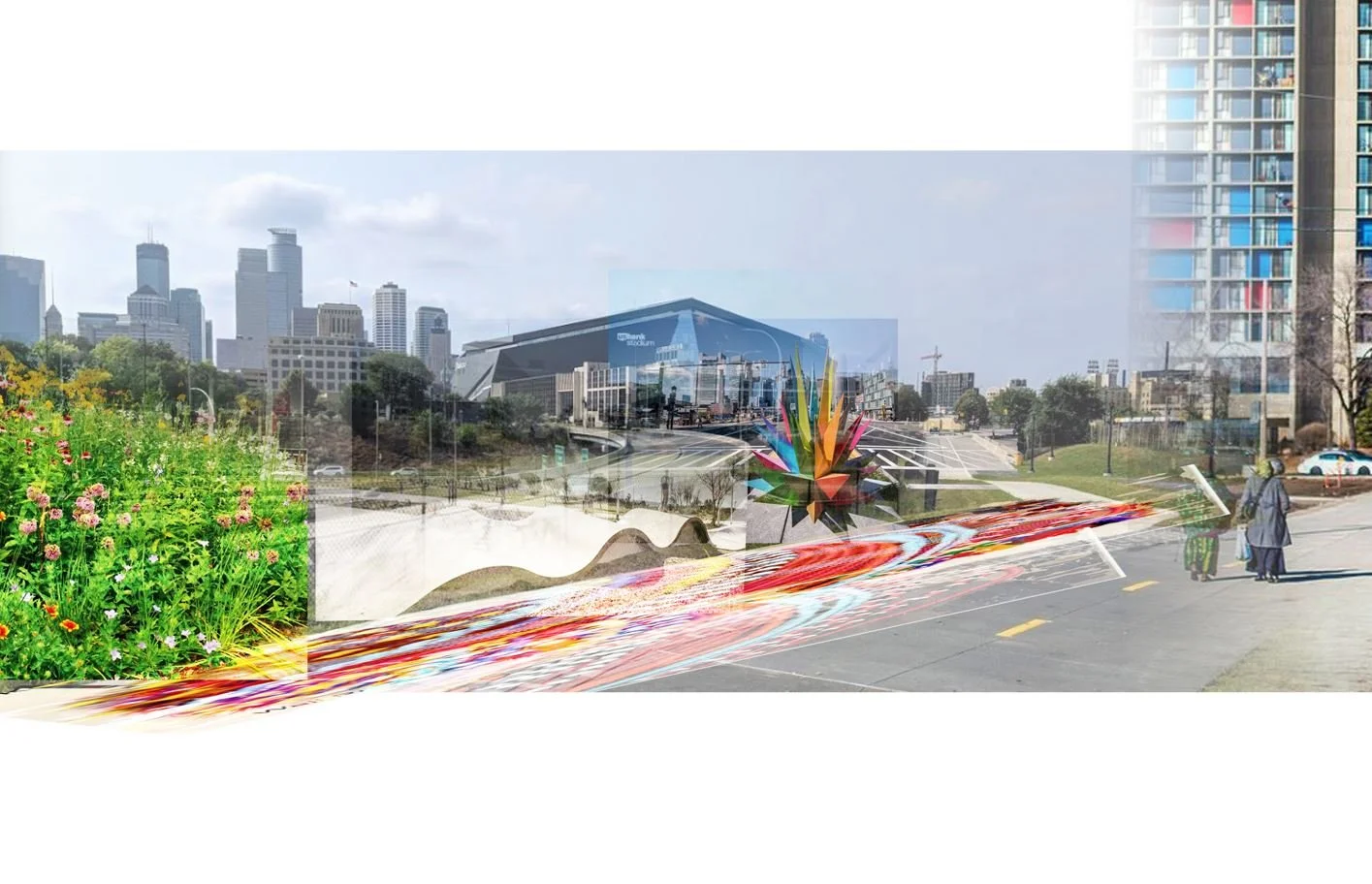
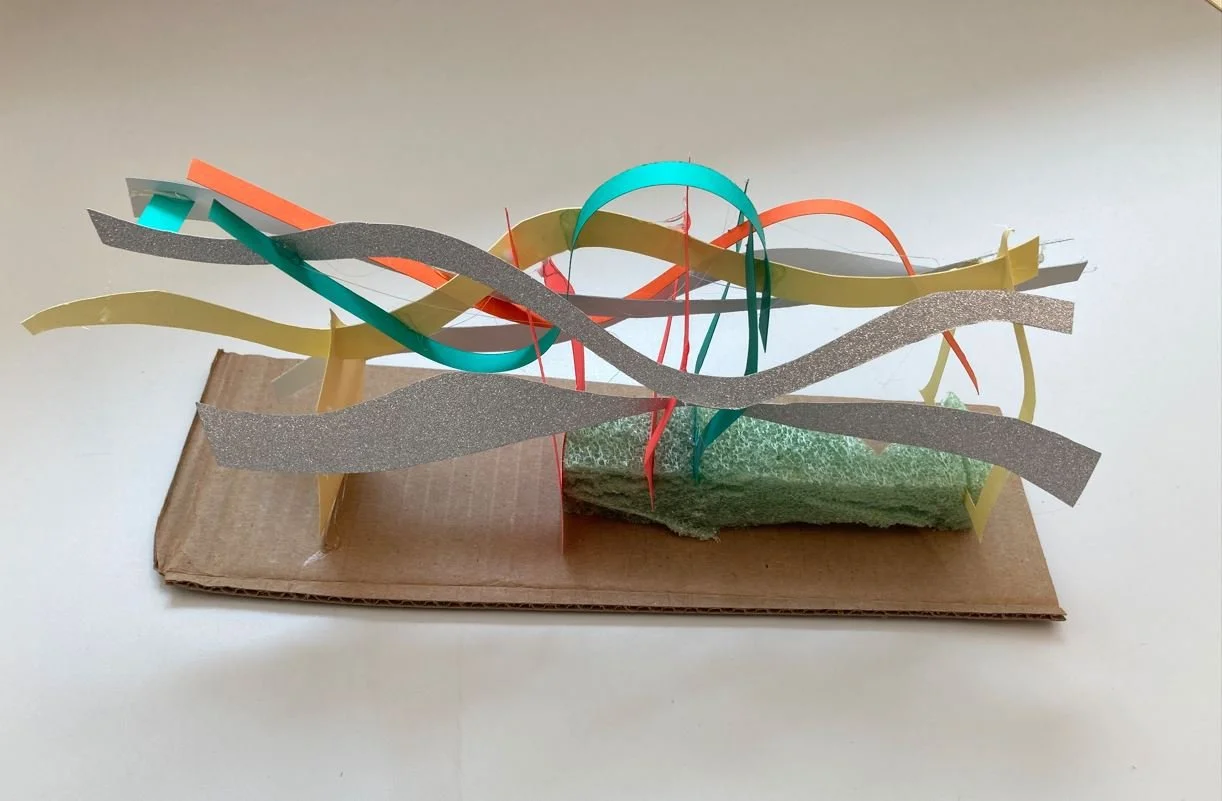
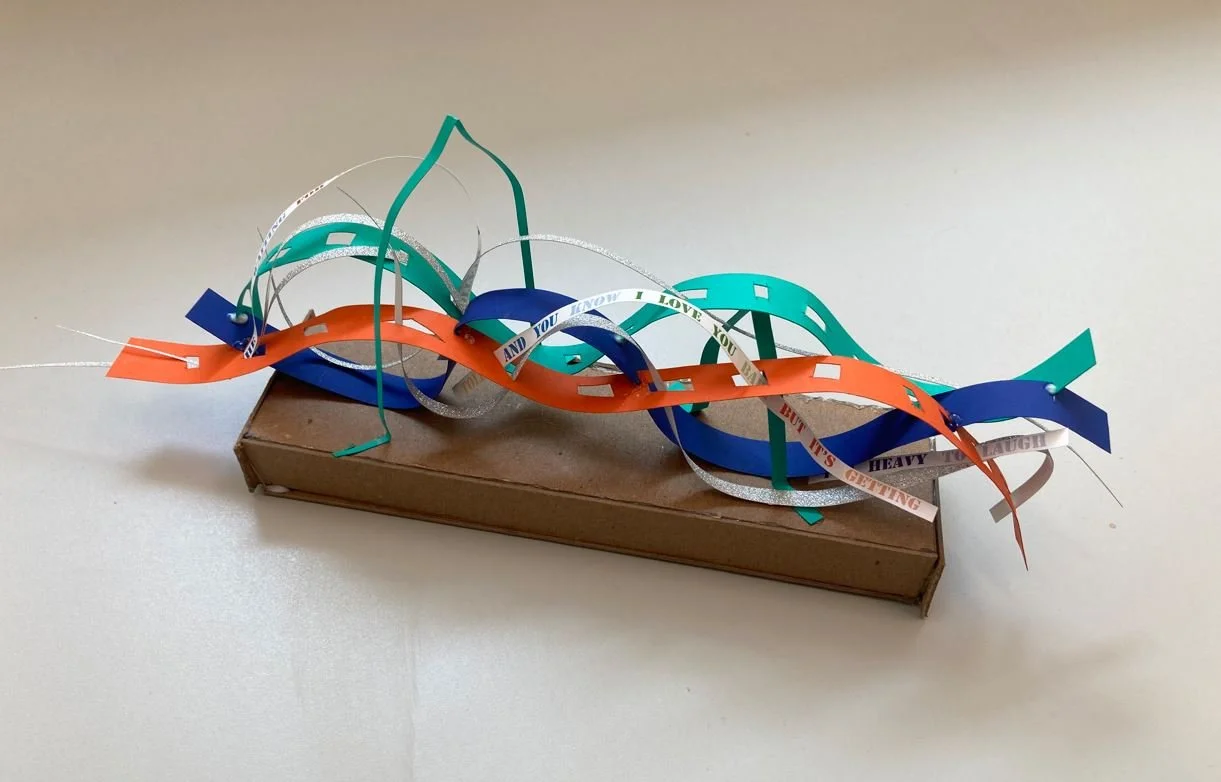
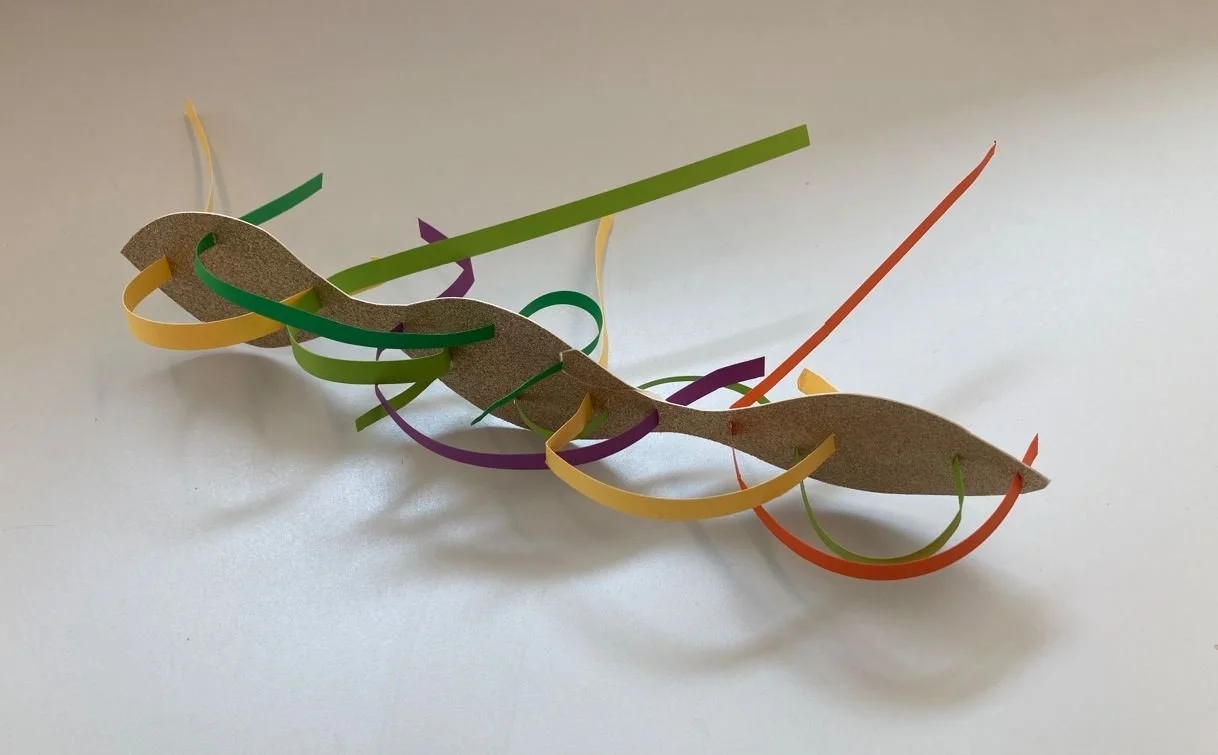

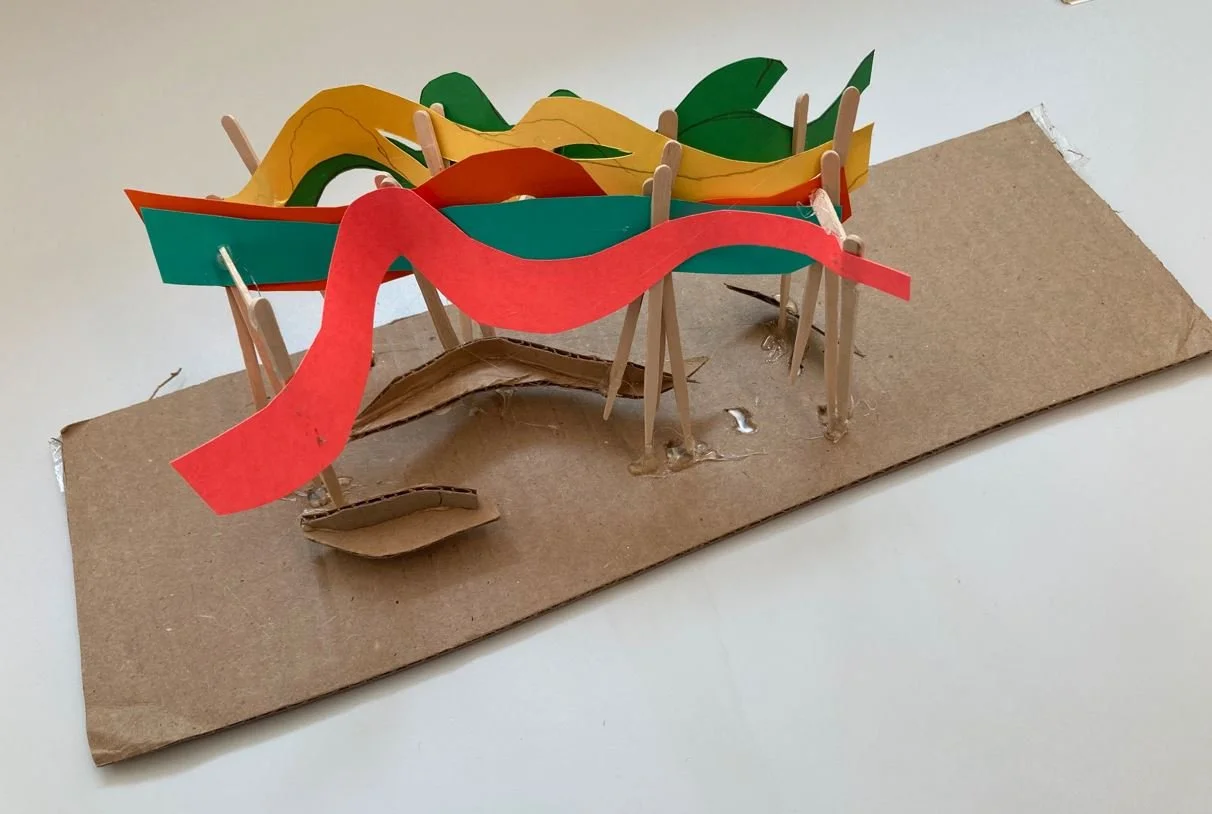
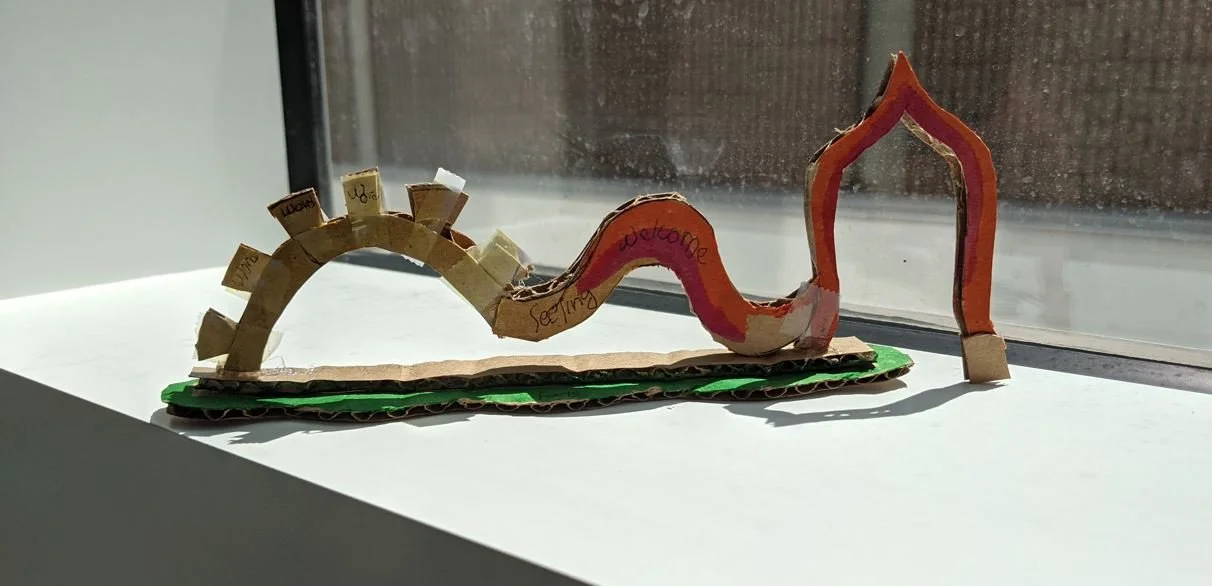
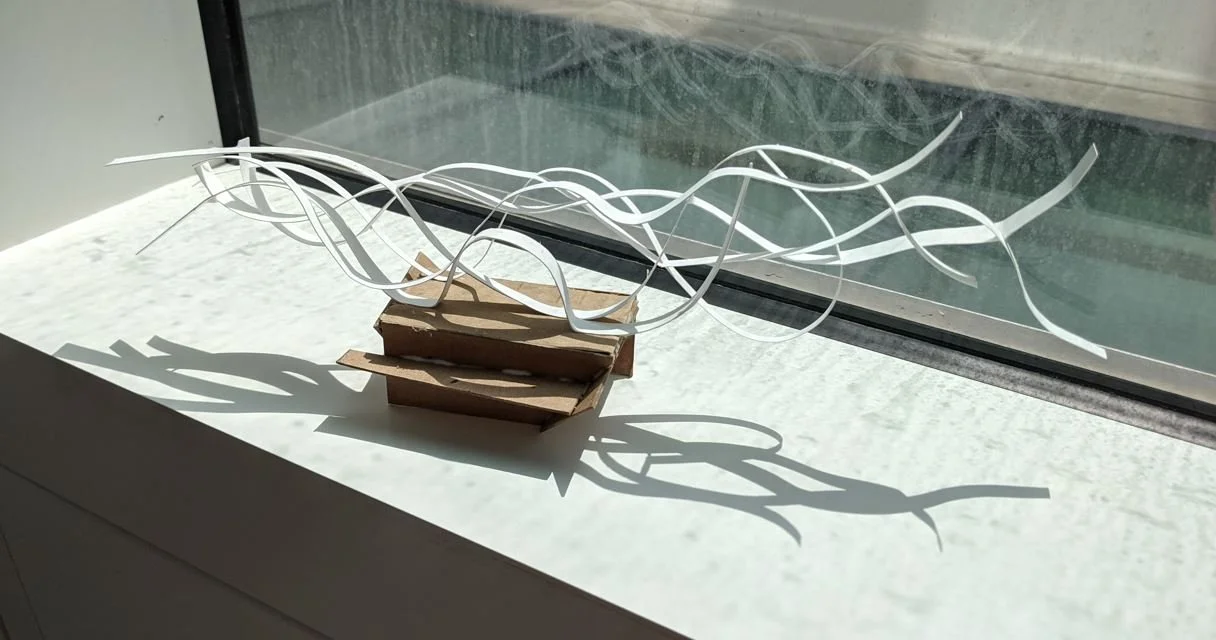
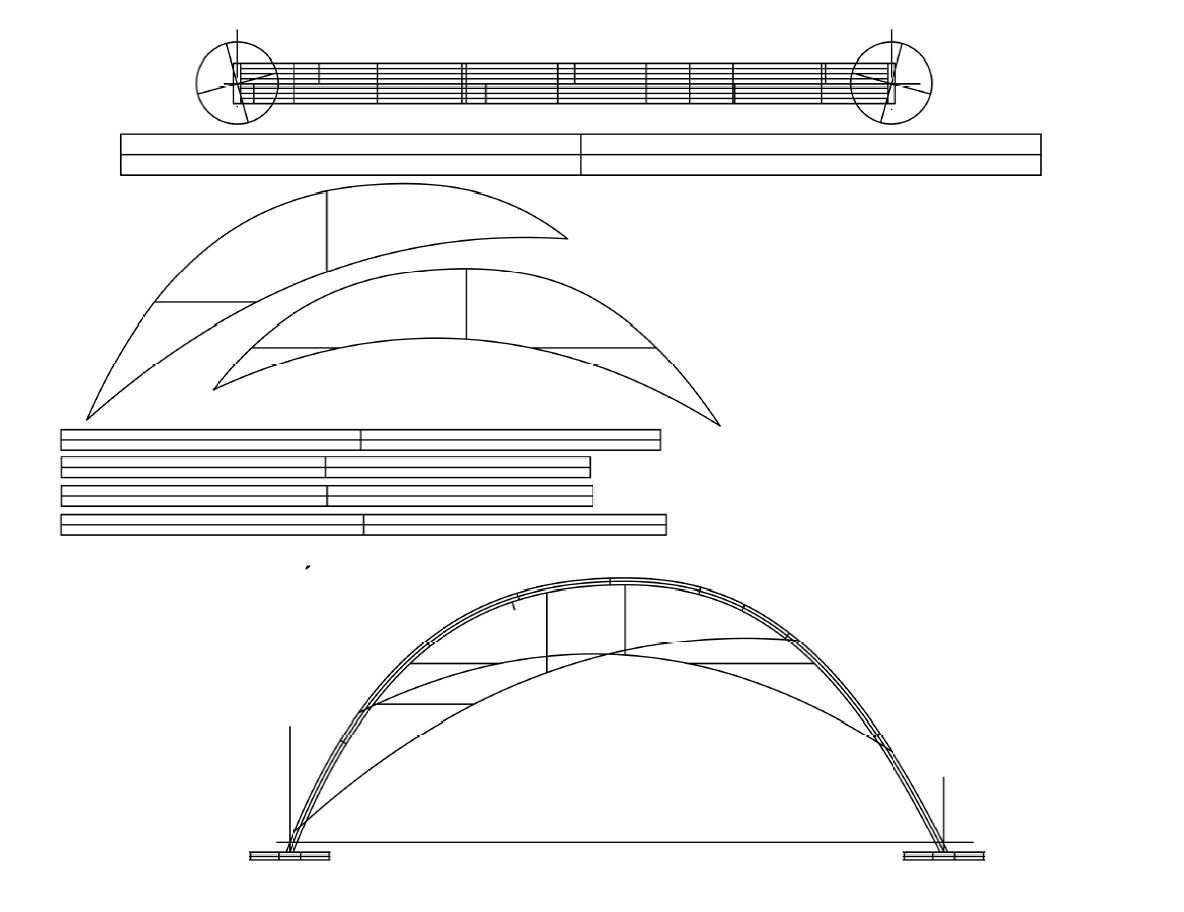
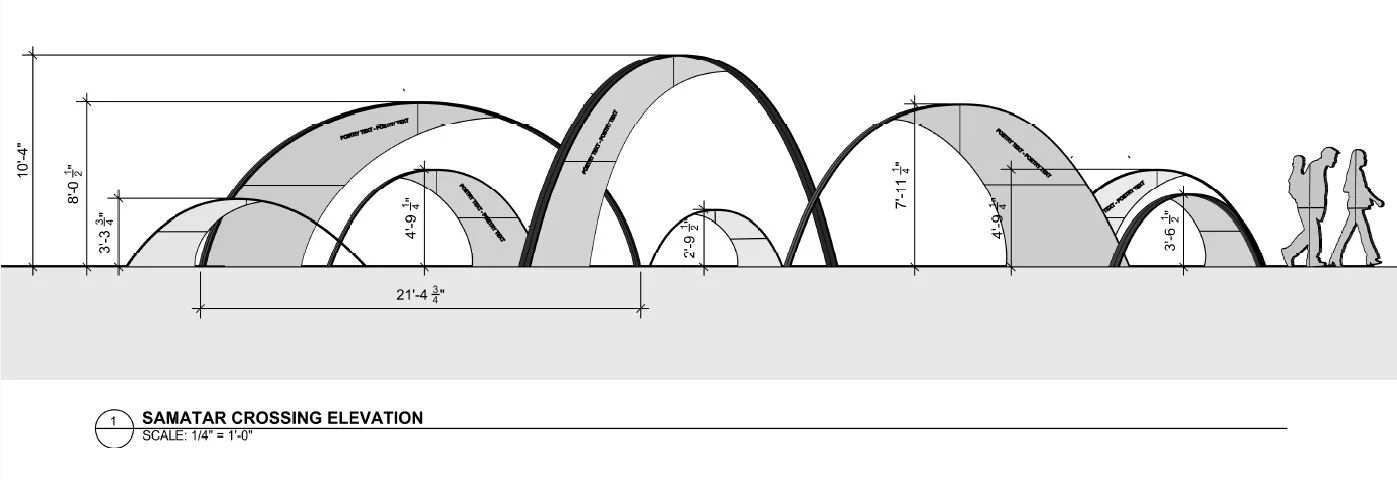
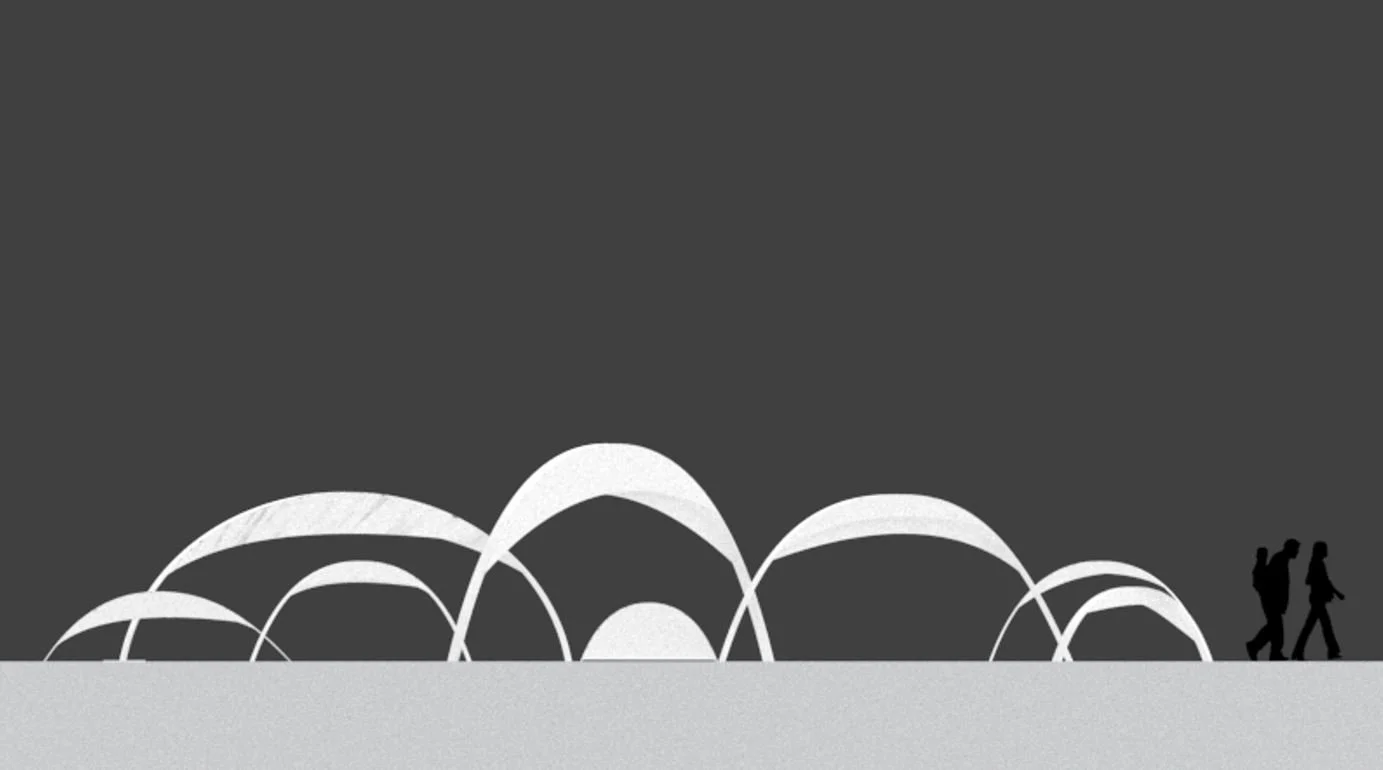
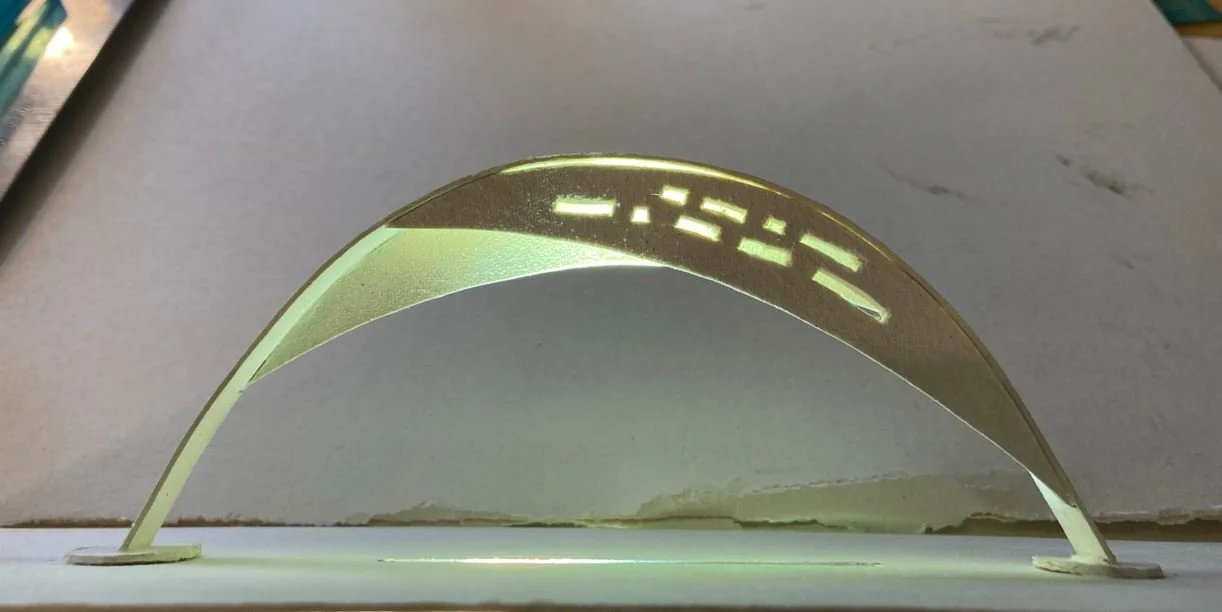
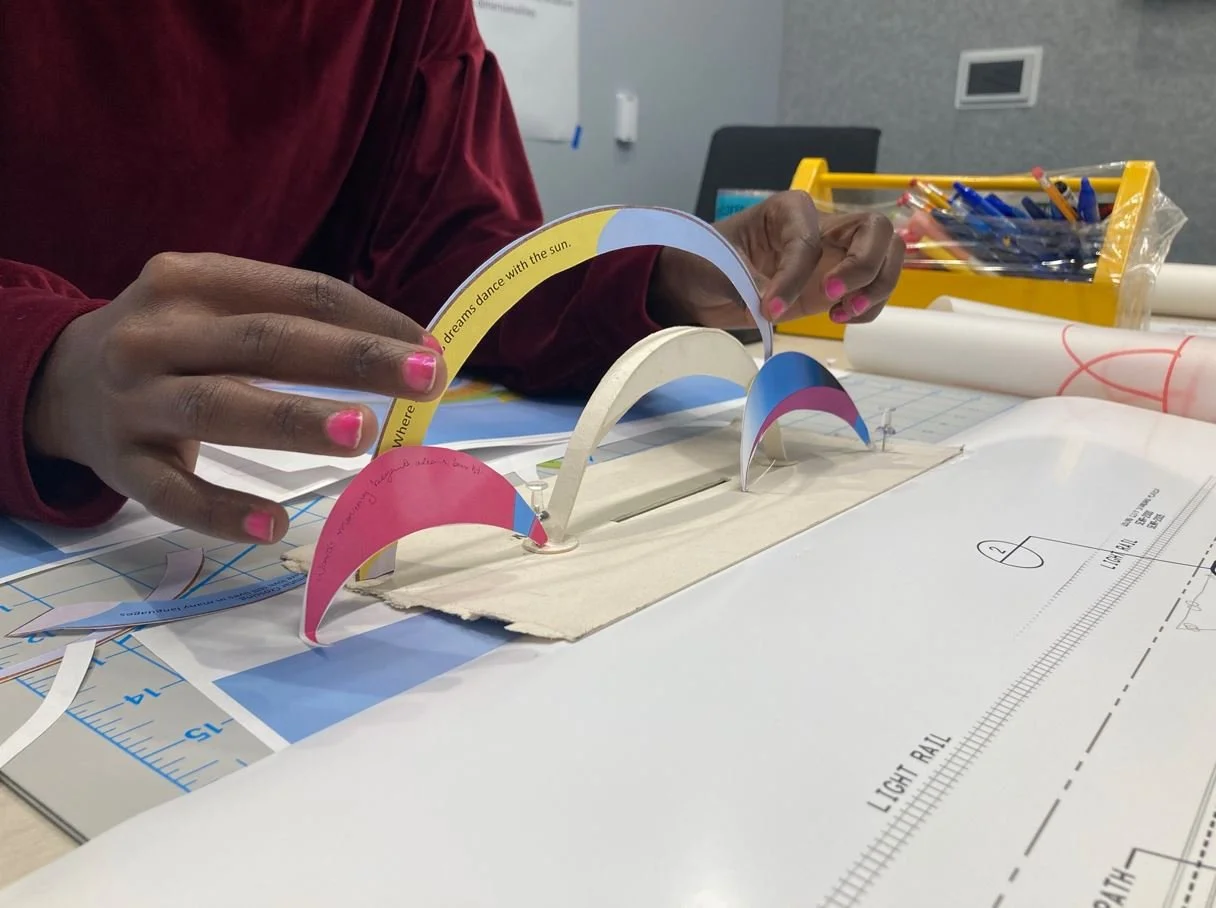
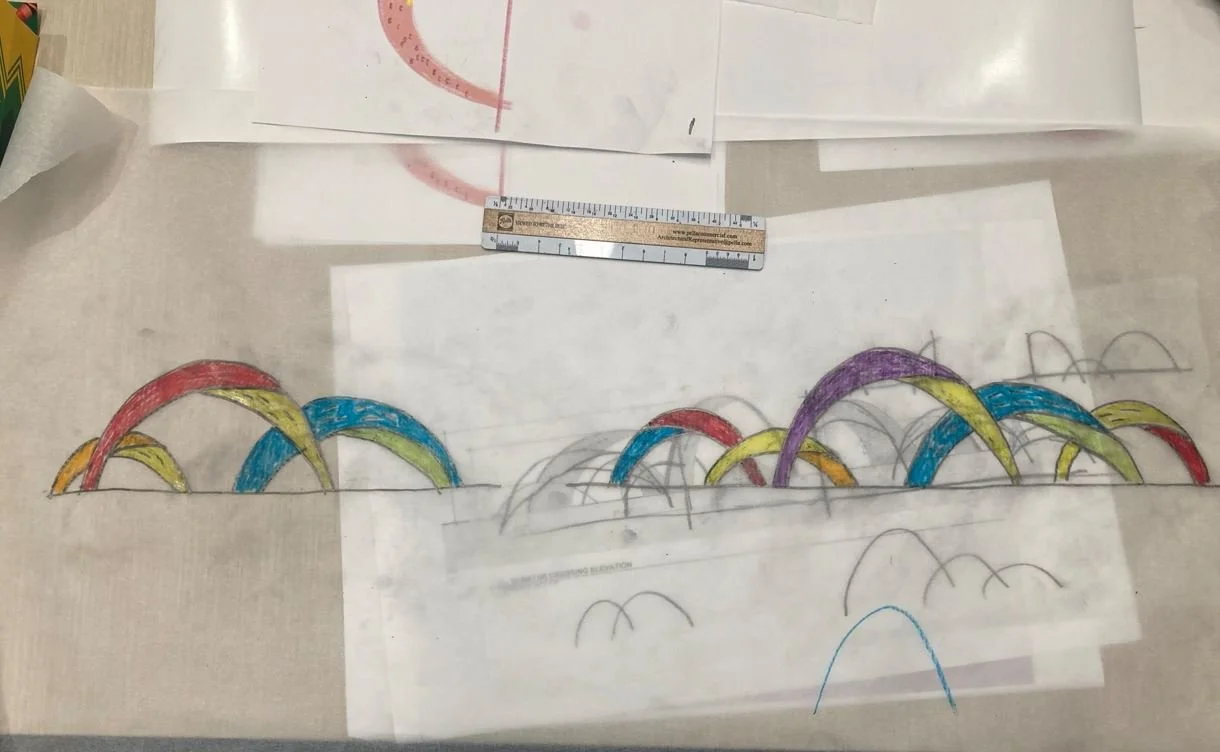
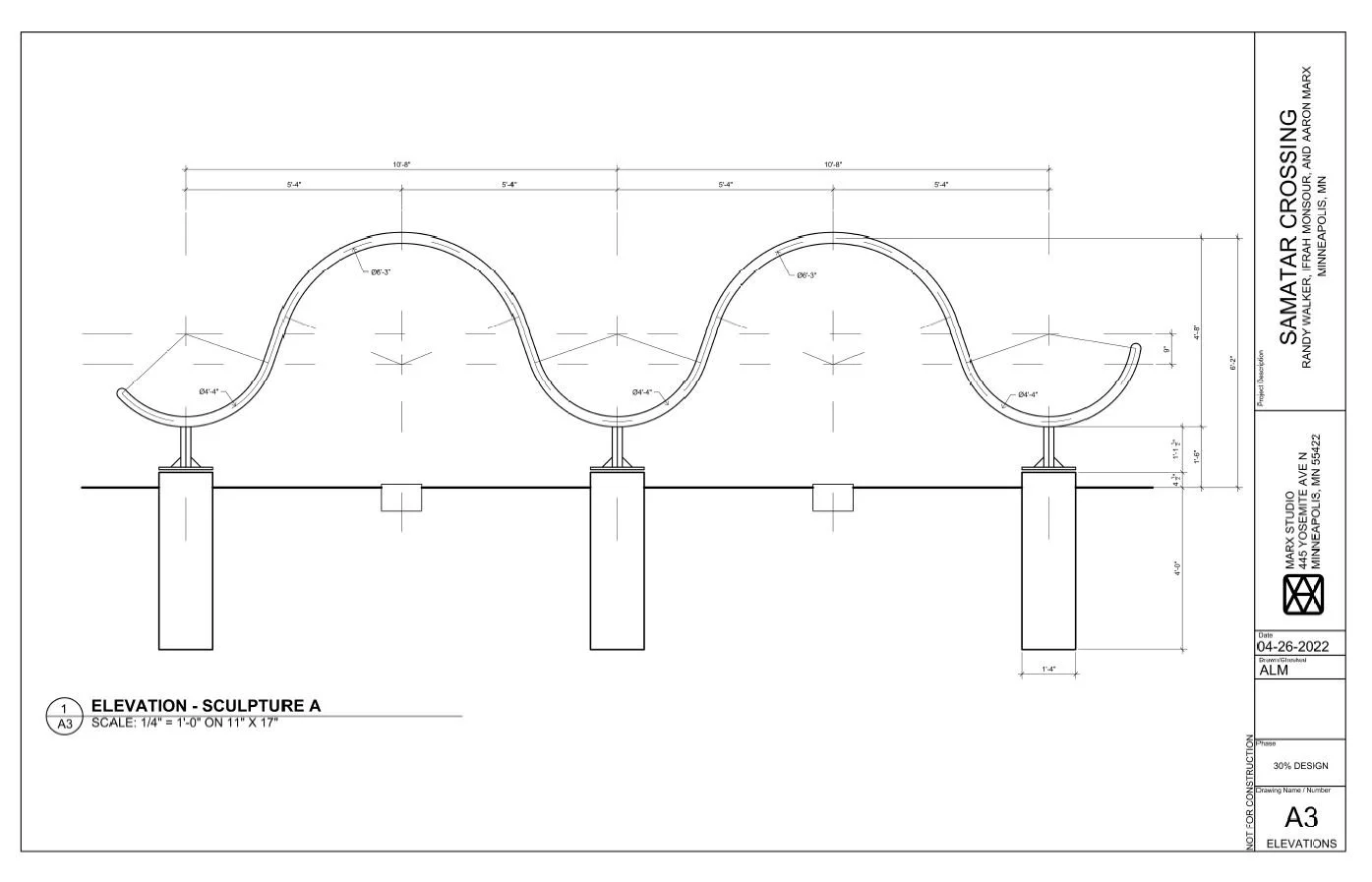
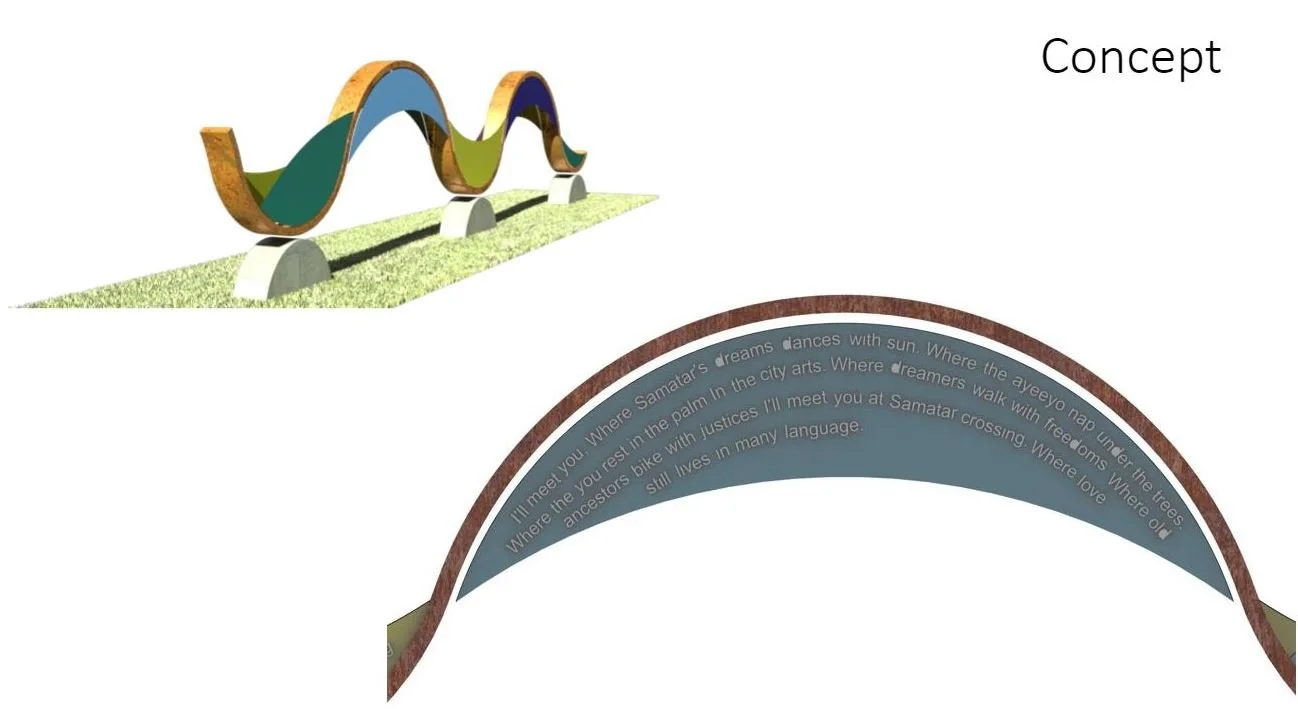
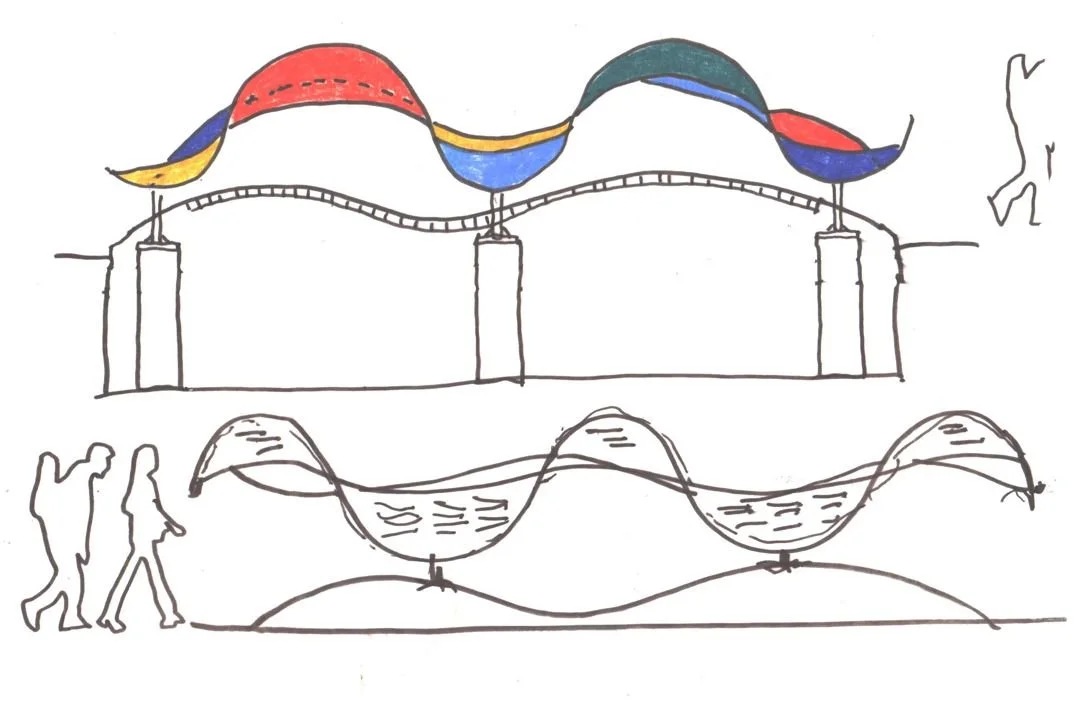
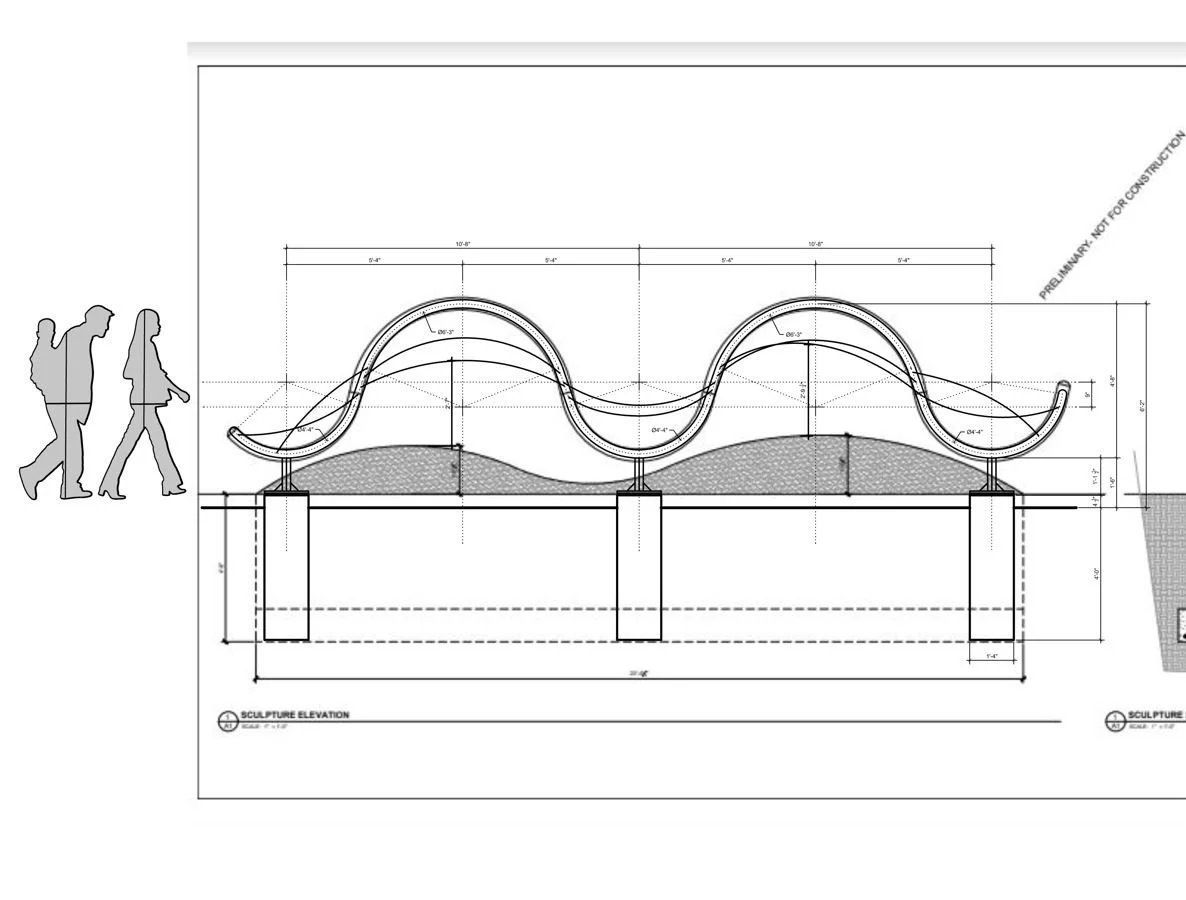
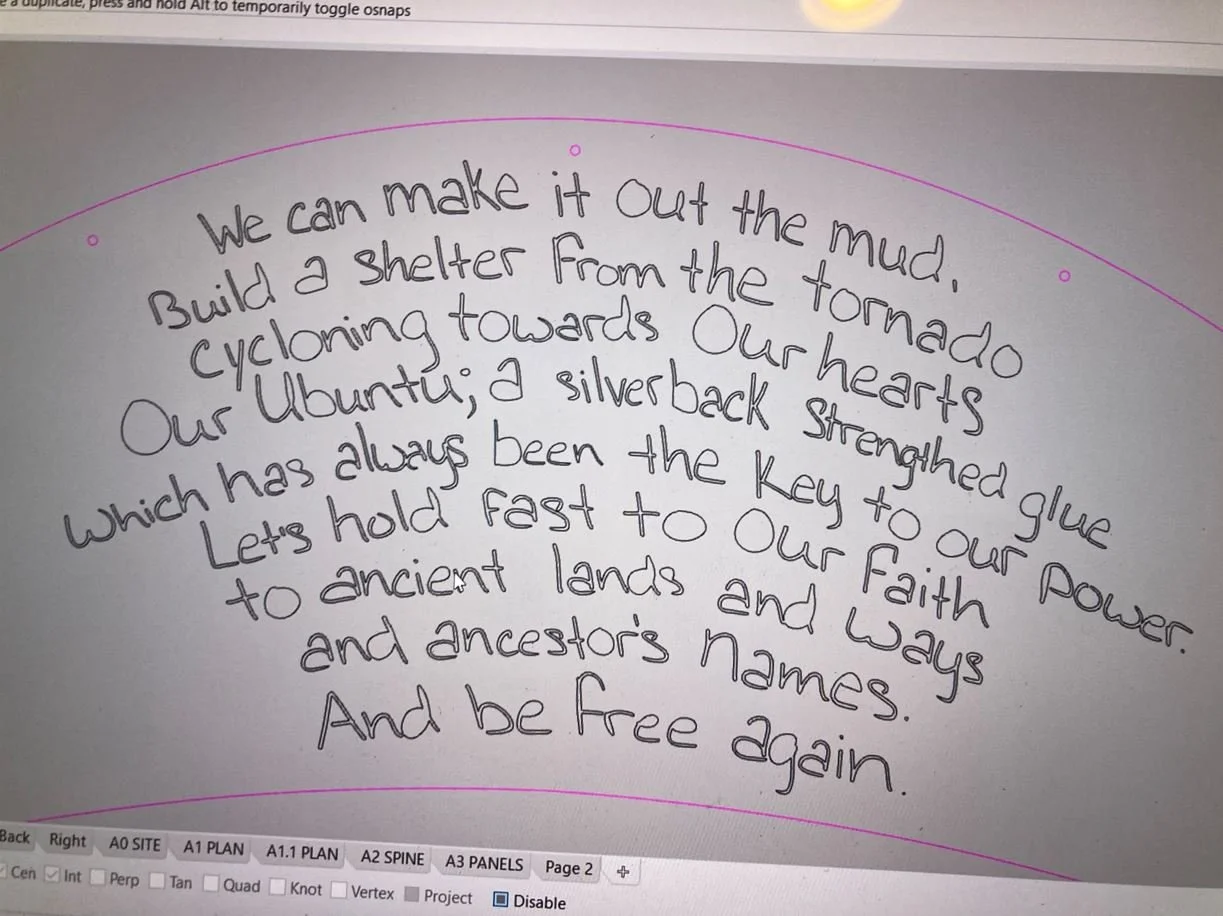
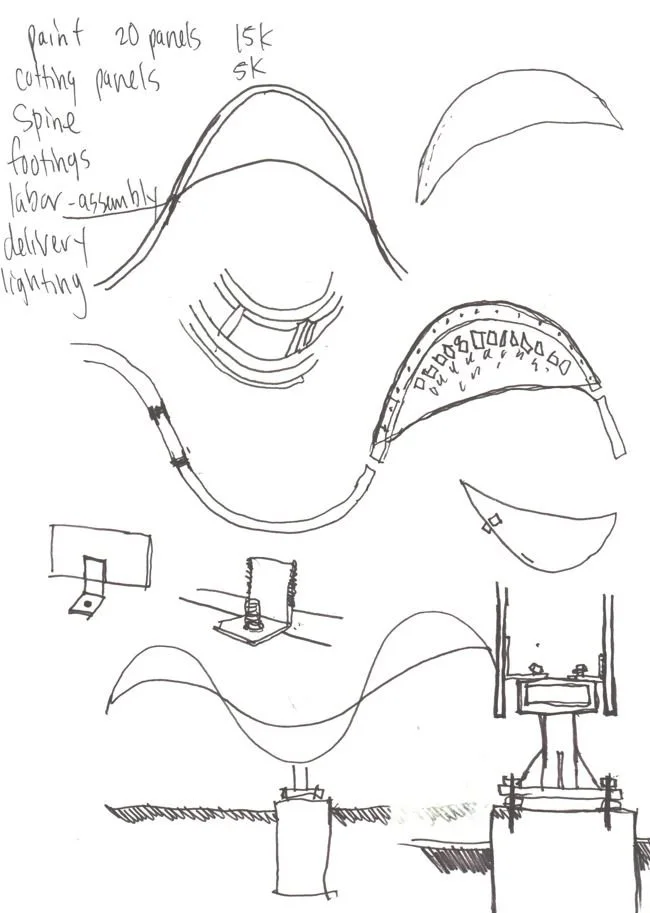
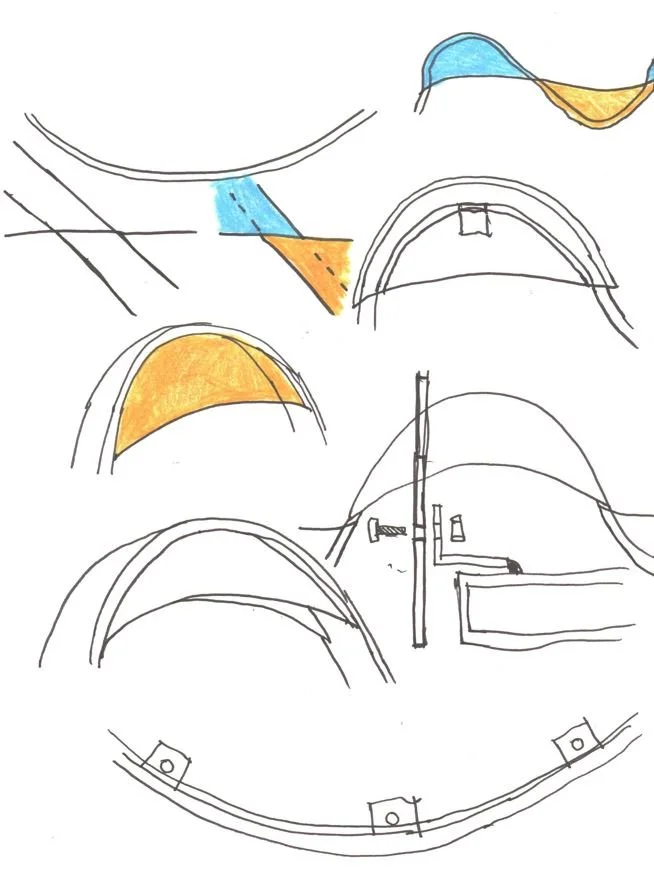
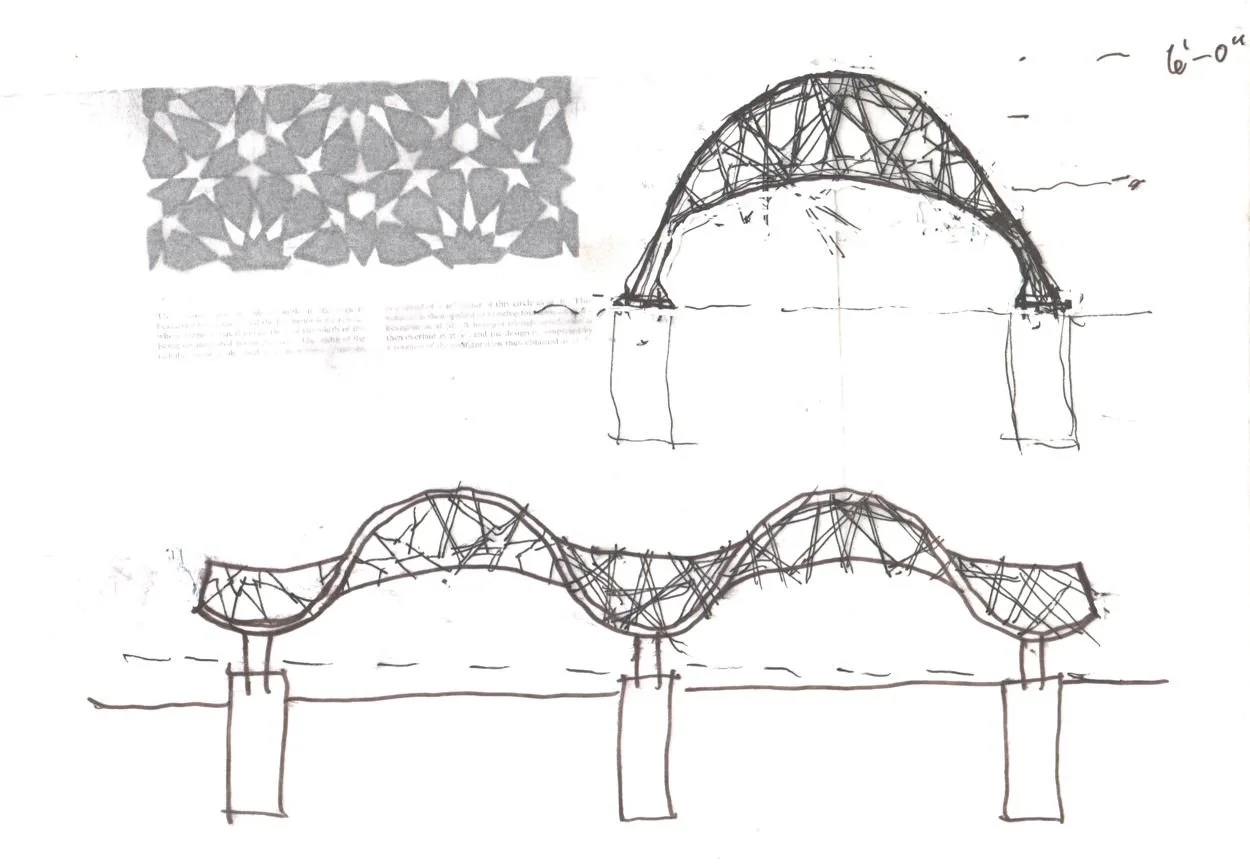
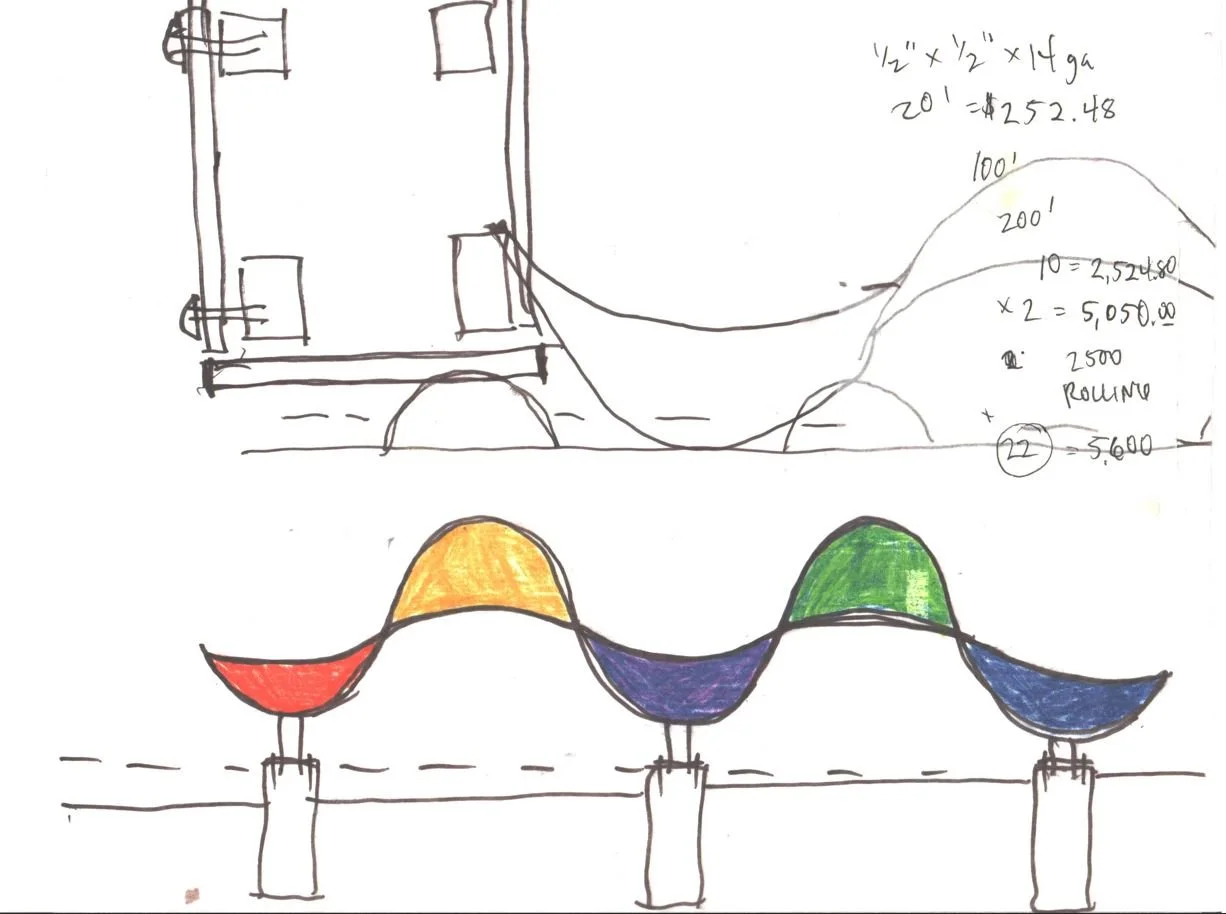
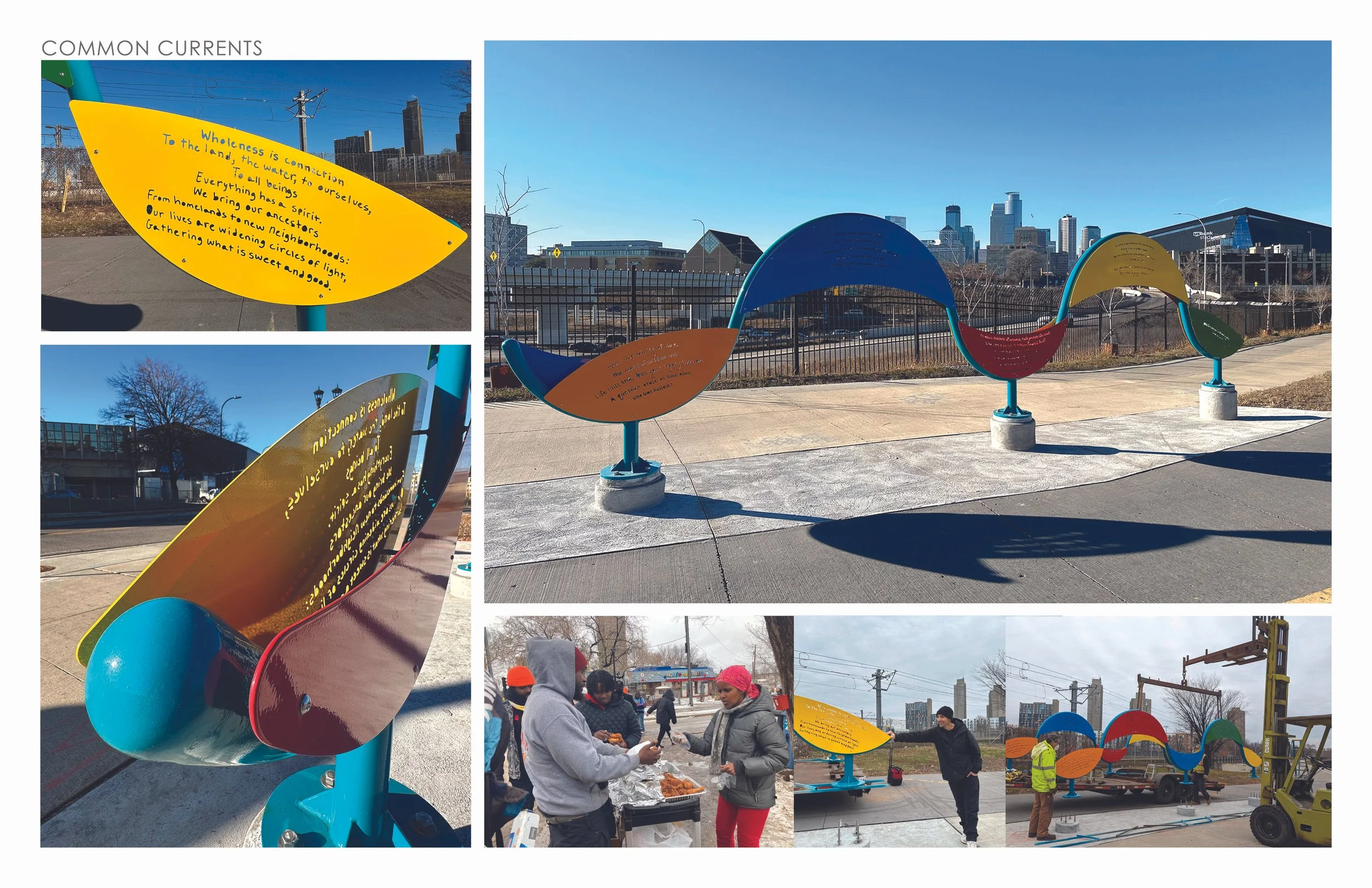
Out of this process, a vibrant sculpture emerged, echoing the rich hues and intricate patterns of Somali tapestry. A colorful wave of resilience and unity, it stands as a testament to the diverse threads that weave the community together. The sculpture, called Common Currents is inspired by the legacy of Hussein Samatar, and takes the form of a dynamic wave - each crest a burst of color reflecting the strength found in collective diversity. Conceived in partnership with another sculptor and a visionary playwright, and further enriched by the voices of five poets from varied multicultural backgrounds, this artwork represents a symphony of creative expression. By intertwining the themes of Hussein Samatar's legacy, and the diverse immigrant history of Cedar-Riverside, the sculpture becomes a powerful symbol of resilience, unity, and cultural pride, fostering a sense of belonging for all who encounter it. Set in a prominent public space, the sculpture becomes a dynamic focal point, a visual celebration of the neighborhood's immigrant history and a nod to the educational journey championed by Samatar. In its rhythmic curves and vibrant hues, this abstract wave stands as a living tribute to resilience, unity, and the enduring spirit of Cedar-Riverside.